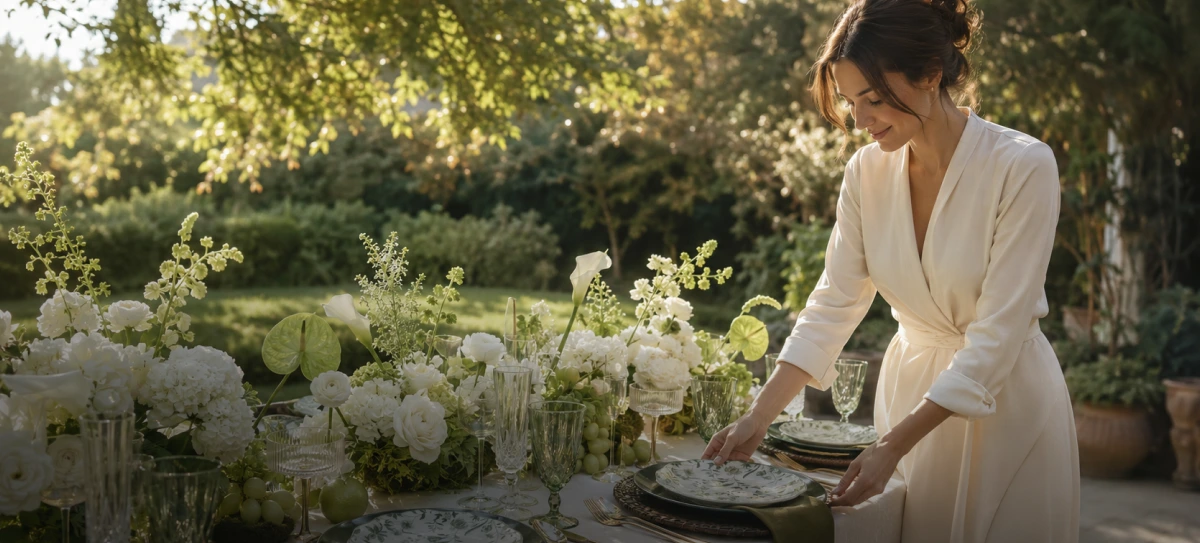
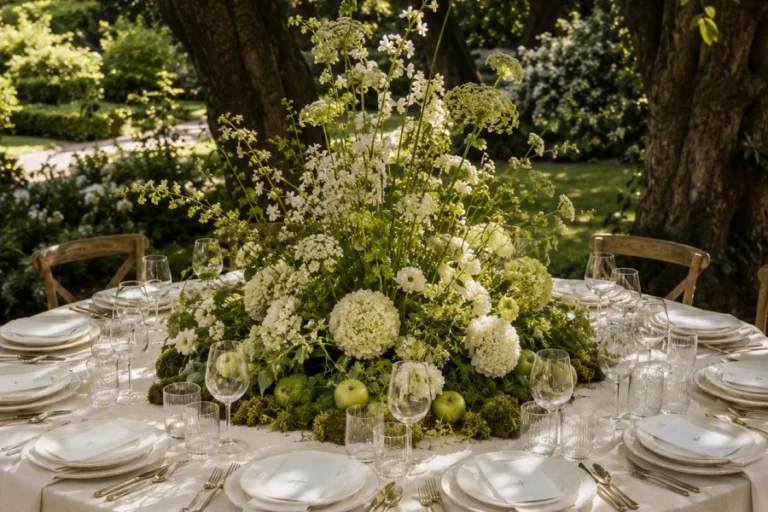
Hosting Ambiance Ideas works best when the host starts with a clear intention rather than a pile of attractive ideas competing for attention. The product page frames this topic around the feeling of a space, light, sight, sound, music, scent, warmth, room flow, texture, comfort, the host’s touch, and sensing the evening, which means the strongest result depends on sequence as much as taste. That order matters because a room can look decorated yet still feel flat when light, sound, scent, movement, comfort, and the host’s presence are planned separately. When the plan connects beauty with function, the table or gathering begins to feel designed instead of merely assembled. The goal is not perfection, but a setting where guests understand the mood before anyone explains it. This early direction also keeps later choices practical, because every decorative detail must still support serving, seating, conversation, and comfort.
Why Hosting Ambiance Ideas Needs a Clear First Decision
The first useful step is naming the occasion, the desired feeling, and the practical limits that will shape the final result. A ambiance planning reference can help turn those early choices into a usable framework before buying, folding, arranging, or cooking begins. From there, the host can organize lighting levels, music volume, scent choice, temperature, seating comfort, walking paths, conversation zones, soft textures, and arrival cues into decisions that support one another rather than distracting from the whole. This prevents the setup from becoming a collection of separate good ideas with no shared rhythm. It also makes the final edit much easier, because every detail can be measured against the same intention.
How Hosting Ambiance Ideas Turns Inspiration Into Structure
Guests usually notice the feeling of a gathering before they notice individual techniques, which makes the first visible cues especially important. For hosts who care less about perfect decoration and more about making guests feel welcome from the first step inside, those cues should invite comfort, movement, conversation, and confidence without creating more work than the moment deserves. A strong opening choice might involve the base layer, the welcome point, the service station, the lighting, or the one element that sets the tone. Once that choice feels stable, the surrounding details become easier to place because they have something to respond to. This approach keeps the event from feeling decorative in one area and unfinished everywhere else.
Start With the Parts Guests Actually Notice
Set up becomes smoother when the host understands which pieces need to happen early and which details can wait until later. A layered atmosphere system gives the process more order by separating foundational decisions from finishing touches. That distinction protects time because the biggest visual and functional choices no longer compete with last-minute adjustments. It also helps the host see where a practical support, such as storage, staging, labeling, or prep timing, would reduce stress. When the setup has a sequence, the event feels calmer before any guest enters the room.
Making Hosting Ambiance Ideas Easier to Set Up
The most common mistake is treating ambiance as a visual project alone, while leaving sound, comfort, room temperature, and the emotional welcome to chance. This usually happens when the host keeps adding rather than asking whether each detail improves the guest experience. A thoughtful edit should check sightlines, reach, comfort, serving flow, conversation space, and whether the mood still feels coherent. Removing one unnecessary piece can sometimes make the remaining pieces look more expensive, considered, and intentional. The best final pass respects the guest as much as the photograph, because hospitality must work in real time.
Edit the Details Before Guests Arrive
After the event, the strongest ideas deserve to become part of a repeatable hosting system rather than disappearing with the cleanup. A warm welcome framework makes it easier to record what worked, what felt awkward, and what should be adjusted next time. That record might include quantities, timing, room flow, centerpiece height, linen behavior, guest comments, or preparation steps that saved time. Future gatherings then begin with knowledge instead of guesswork, which makes each new occasion easier to shape. The host gains confidence because the system improves quietly with every table, party, or meal.
Using Hosting Ambiance Ideas Again Without Starting Over
Great hosting rarely comes from one dramatic gesture, because guests usually remember how smoothly the whole experience held together. They remember whether conversation felt easy, whether service made sense, and whether the room supported the mood everyone came to share. A memorable room works through feeling before explanation, because guests remember whether the space invited them to relax. That kind of result depends on intention, order, restraint, and a willingness to design for real people rather than only for the finished photo. When those pieces align, even a simple gathering can feel polished, personal, and comfortably memorable.